



From the Community Association Attorneys at SwedelsonGottlieb
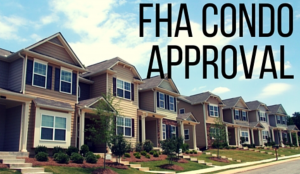 The U.S. Department of Housing and Urban Development (HUD) has finally published the long-awaited final revisions to the Federal Housing Administration’s (FHA) condominium project approval rules. The FHA does not originate loans for purchasing condos, but rather insures these loans for borrowers who might not otherwise qualify for traditional financing requiring a 20% down payment. In practice, these changes will give more people access to FHA-insured financing, which should in turn provide many Californians with a better chance of purchasing a condo. The new rules go into effect on October 14, 2019.
Some of the most significant changes in the FHA regulations include:
The U.S. Department of Housing and Urban Development (HUD) has finally published the long-awaited final revisions to the Federal Housing Administration’s (FHA) condominium project approval rules. The FHA does not originate loans for purchasing condos, but rather insures these loans for borrowers who might not otherwise qualify for traditional financing requiring a 20% down payment. In practice, these changes will give more people access to FHA-insured financing, which should in turn provide many Californians with a better chance of purchasing a condo. The new rules go into effect on October 14, 2019.
Some of the most significant changes in the FHA regulations include:
• The FHA is once again authorized to approve and insure up to 10% of individual loans in a condo project (formerly called “spot,” and now called “single-unit” approval), as long as the condo association as a whole is financially stable. The FHA may also insure these loans if the condo project itself has not obtained FHA approval, which can be an expensive and cumbersome process for many condo associations.


 As many of you likely know, when a homeowner files a Chapter 7 bankruptcy, they may be able to “discharge” their obligation to pay the pre-bankruptcy petition debts including the assessments they owe their community association. And you likely know that when an owner files a Chapter 13 bankruptcy, they are looking for a way to reorganize and not discharge their debts. And we all understood, or at least thought we understood that the assessments that became due after the owner filed bankruptcy, the post-petition assessments, would not be discharged.
 A senate bill seeking to prohibit California community associations from establishing qualifications for candidates to run for their boards of directors among other changes and requirements (including possible invasion of owner privacy) is a dumb idea that would create bad law.
 Effective January 1, 2018, Civil Code Section 4515 was added to the Davis-Stirling Act to protect certain rights of political speech and peaceful assembly within the boundaries of a common interest development.
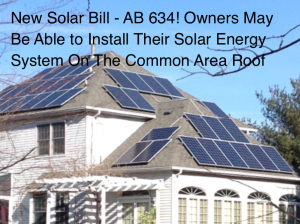 As you may have heard, the Governor signed into law new legislation that now changes a California condominium’s associations ability to prohibit an owner from installing a solar energy system on the common area roof. AB 634, which went into effect on January 1, 2018, amended several provisions of the California Civil Code to set forth language that further clarifies what condominium associations can and cannot do with respect to the installation of an owners own solar energy system on a common area roof and exclusive use common.
  By Brian Moreno, Senior Associate at SwedelsonGottlieb, Community Association Attorneys
 Recent legal Developments affect community association interests in a variety of ways. In 2017, the California Court of Appeal decided several cases concerning such issues as title to common area and board member liability. These cases may be instructive to board members and managers. Meanwhile, on the legislative front, new and pending laws affect association interests in the areas of governance, business dealing, FHA certification, annual notifications and use restrictions. Though not a complete or authoritative guide, we hope this article (published in the Winter 2017 Volume 10, Issue 1 of the Communicator, Community Association Institute/Bay Area/Central California Chapter’s news magazine) can be a useful resource for the most relevant legal updates this year.
  SwedelsonGottlieb annually updates and publishes its Disclosure and Notice Checklist as a resource for Managers and Board Members of California Community Associations. The updated Checklist is 14 pages (there are a lot of things that California community associations are required to give notice of or disclose) and sets out what disclosures and notices California community associations are to provide to homeowners, when and how they are to be provided, as well as other considerations. Included is information regarding the Code requirements for the Annual Budget Report, the Annual Policy Statement, Fiscal Year End Disclosures, and other Additional Disclosures/Notices. We have included information regarding the recent changes to Civil Code Section 4041 relating to the solicitation of owner mailing addresses, etc. and the required New Management Disclosures.