




Great news. AB 1360 (Torres) – the HOA Electronic Balloting bill – passed through the Assembly Housing Committee with a 7-0 vote thanks to the phone calls you made in response to CAI-CLAC’s call-to-action. As reported by CLAC, this bill is now headed to the Assembly floor! And then over to the Senate. We will keep you updated as more calls may be necessary.
AB 1360 is a bill to make electronic balloting an option for common interest developments (CIDs). It was introduced into the California Assembly, authored by Assemblymember Norma Torres and sponsored by the California Legislative Action Committee (CLAC).
CLAC’s website states that current law requires community associations to follow a double-envelope process for elections. AB 1360 would permit the use of electronic voting, adding an additional option to election procedures, reducing costs for community associations, and helping to increase voter participation.
 Many California community associations have a difficult time achieving a quorum to hold board elections or to vote on other important association matters. Some condo and planned development homeowner associations have not been able to hold a vote for a new Board of Directors for many years because they require a quorum of at least 50% of the owners. And unlike many other community associations, they do not have a reduced quorum provision in their bylaws that allows them to hold the meeting and take the vote of the owners with 25% of the owners constituting a quorum. Some associations cannot even achieve a quorum with just 25% of the owners.
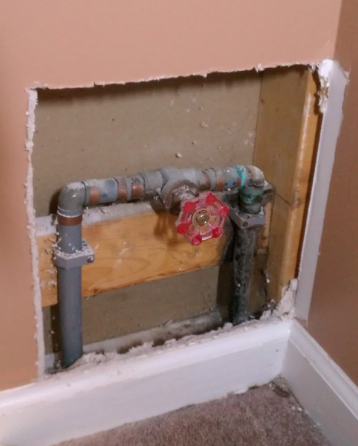 A pipe, window or some other element of the common area leaks or breaks, and a condo association board decides that it is exclusive use common area and the unit owner’s repair and/or replacement responsibility, as it serves only that one unit. The problem is that this is not what the law provides. And while it may be what many board members and managers want to see happen, this is really contrary to the condominium concept where, unless the CC&Rs otherwise state, the association is responsible for the repair or replacement of the common area, and exclusive use common area is part of the common area. Let’s face reality, we really do not want to see owners opening up and trying to repair the common area, as they may likely not do the right repair, and that may come back to haunt the association in the future (after that owner has sold and moved).
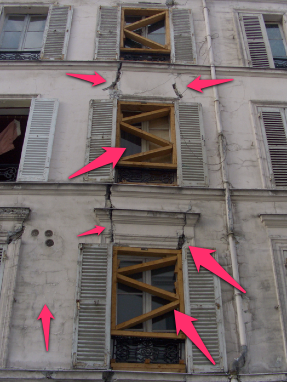 I recently read an interesting article in the newspaper regarding structural defects. The article entitled “Home Structural Defects Are Rare But Can Be Costly” provides good advice for both homeowners and condo owners and associations.

 We are often called upon to assist boards of directors with the termination of an association employee. All too often, however, we are called too late, after the board or manager has terminated the employee, and frequently we find that the termination was done incorrectly and problems have arisen. When terminating an employee, it is always best to consult with legal counsel first, as there are appropriate and inappropriate ways to terminate an employee. By talking first with legal counsel, the board and/or manager can ensure that termination is the appropriate remedy and ensure that it is done correctly to avoid exposure to the association as the employer, avoiding expensive and time-consuming litigation.