



Blog Post by David Swedelson, SwedelsonGottlieb Partner, Condo Lawyer and HOA Attorney
 After the Trayvon Martin shooting in Florida last year, I posted a blog article highlighting the need for community associations to supervise their volunteers. Follow this link for that March 2012 blog article. If you have been following the George Zimmerman trial at all, you would understand how important it is for community associations to supervise their volunteers. I am not following the day to day testimony at the trial but I have heard enough to tell me that perhaps George should not have been allowed to patrol his association looking for bad guys.
Apparently, in Florida, the community associations have volunteers that carry guns. I was alerted to a news report out of Orlando where a woman reported that she was sitting on a pier at a homeowners association when a man who said he was an HOA official came up to her brandishing a gun she claims he pointed at her, telling her that the pier was closed.
Continue reading
 California Legislative Action Committee (CLAC) Chair Pamela Voit has issued the following statement on AB 1360, authored by former Assemblymember and newly elected Senator Norma Torres, and co-authored by Assemblymember Richard Gordon, sponsored by the Community Association Institute’s California Legislative Action Committee (CAI-CLAC).
 A few months ago I reported about
 The Daily Journal, a newspaper for attorneys, reports weekly on various verdicts and settlements. I read those reports, as it keeps me up on what kind of cases are being filed and what kind of verdicts and settlements are being made.
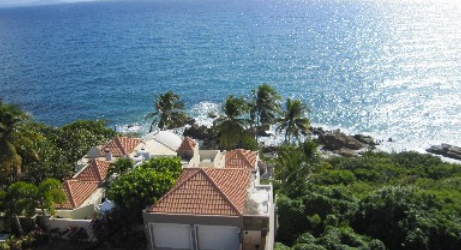 Many owners buy units, lots or homes at community associations that have views and are later shocked to learn that the view they cherish, the view that caused them to buy that home, is not guaranteed. The question that has been posed is whether or not property owners are entitled to an unobstructed view. With some exceptions, the answer in California is “no.” The California Supreme Court spoke on this subject in the late 19th century case of Kennedy v. Burnap and established the doctrine in California that one’s ownership of land does not imply a right to force owners of neighboring land to refrain from obstructing the view from the land or the light and air reaching the land. This law has not changed all that much since that case was decided in 1898.
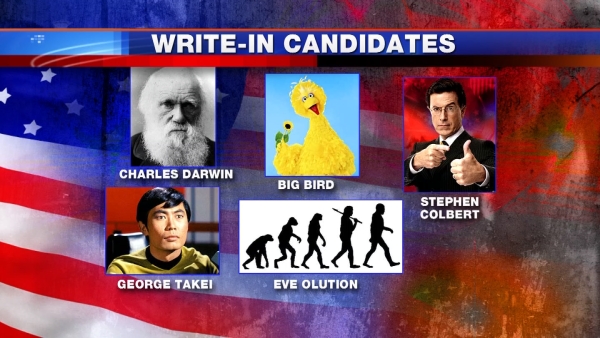 California community association attorneys, managers and others in the industry have differing opinions on how to properly and legally proceed with uncontested elections – elections in which the number of candidates is less than or equal to the number of board positions needed to be filled. Prior to 2006 when the election process and procedures were changed and secret elections were mandated, the answer was simple. No election was required, and candidates were deemed the elected board by way of acclamation. Since 2006, the law has changed, and elections must be held by way of a secret ballot process. Some attorneys know that the days of deeming the board elected by acclamation are over; others think the opposite.
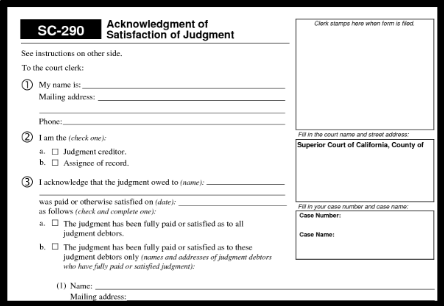 Sometimes, owners sue their condo or homeowners association in small claims court. And sometimes, they win, and there is a judgment to be satisfied. The association pays the amount of the judgment and then wants a receipt showing that the judgment is not owed any longer. They do not know what to do when a judgment or a portion of a judgment has been satisfied. How do you get the homeowner creditor, flush with the fruits of their lawsuit, to provide their association with an “acknowledgment of satisfaction of judgment” (the form that should be completed and filed with the court to show that the judgment is no longer owed)? Board members and managers often ask why they would bother taking this step since the judgment is satisfied.