



Blog Post by David Swedelson, Condo Lawyer and HOA Attorney, Partner at SwedelsonGottlieb, Community Association Attorneys
All too often, we hear from managers and board members who ask us to help interpret what the contractor was talking about when he referred to missing flashing, the damage to the fascia board and some dry rot that was found when the wall and ceiling were opened up. Or, we hear from the contractor that tells us he does not know what to inspect or fix, as all he was told was to look at the “hangy thing.” Contractors do speak their own language, much like lawyers that speak legalese. It is important to understand the terms that contractors use so that you can understand what they are talking about and are better able to communicate the problem.
Bill Butler from PrimeCo Painting and Construction compiled such a list with definitions of some of the common elements of a typical building structure. That way, when the contractor says soffit, you will know that he is talking about that “hangy part” of the building that is found frequently over patios or entries.
Continue reading
 Many California community associations have a difficult time achieving a quorum to hold board elections or to vote on other important association matters. Some condo and planned development homeowner associations have not been able to hold a vote for a new Board of Directors for many years because they require a quorum of at least 50% of the owners. And unlike many other community associations, they do not have a reduced quorum provision in their bylaws that allows them to hold the meeting and take the vote of the owners with 25% of the owners constituting a quorum. Some associations cannot even achieve a quorum with just 25% of the owners.
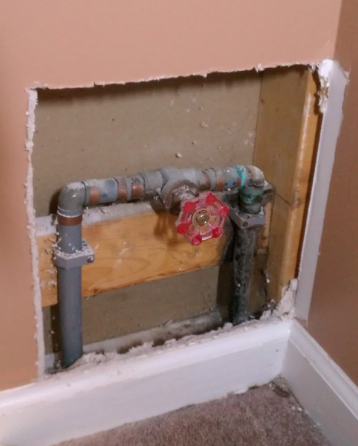 A pipe, window or some other element of the common area leaks or breaks, and a condo association board decides that it is exclusive use common area and the unit owner’s repair and/or replacement responsibility, as it serves only that one unit. The problem is that this is not what the law provides. And while it may be what many board members and managers want to see happen, this is really contrary to the condominium concept where, unless the CC&Rs otherwise state, the association is responsible for the repair or replacement of the common area, and exclusive use common area is part of the common area. Let’s face reality, we really do not want to see owners opening up and trying to repair the common area, as they may likely not do the right repair, and that may come back to haunt the association in the future (after that owner has sold and moved).
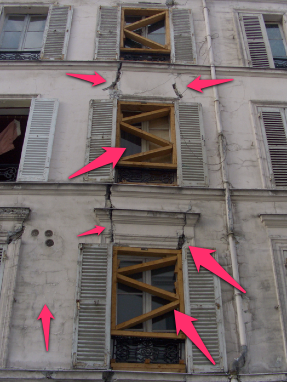 I recently read an interesting article in the newspaper regarding structural defects. The article entitled “Home Structural Defects Are Rare But Can Be Costly” provides good advice for both homeowners and condo owners and associations.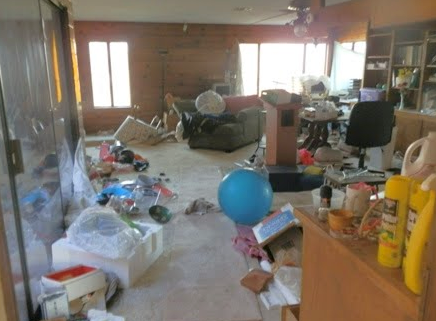

 We are often called upon to assist boards of directors with the termination of an association employee. All too often, however, we are called too late, after the board or manager has terminated the employee, and frequently we find that the termination was done incorrectly and problems have arisen. When terminating an employee, it is always best to consult with legal counsel first, as there are appropriate and inappropriate ways to terminate an employee. By talking first with legal counsel, the board and/or manager can ensure that termination is the appropriate remedy and ensure that it is done correctly to avoid exposure to the association as the employer, avoiding expensive and time-consuming litigation.
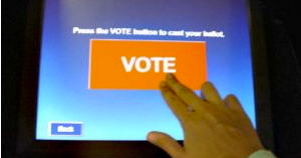 CAI’s California Legislative Action Committee announced this week that it is sponsoring a bill that was introduced into the California Assembly, authored by assembly member Norma Torres, that would make electronic balloting or voting an option for California’s common interest developments. It is about time.