



By David Swedelson, Senior Partner at SwedelsonGottlieb, Community Association Attorneys, Condo Lawyer and HOA Attorney
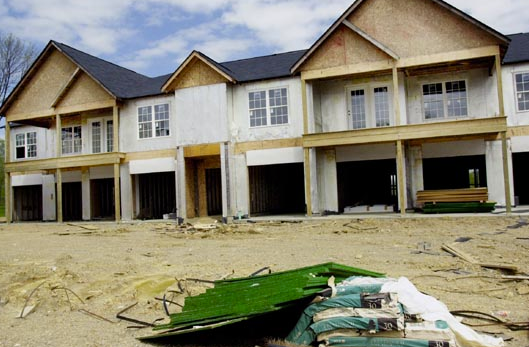 I recently read with interest an article prepared by an attorney that represents developers with the title “Residential Real Estate: Lessons From The Recession” written by attorney Nancy Scull, who represents developers. Her article commented on the fact that it was not that long ago that we were hearing new stories about “broken projects” and “fractured condominiums” which she described as the “remnants of the residential communities that fell victim to our most recent real estate recession.” It has been awhile since we heard about condominium or other homeowner association developments that were not completed and were abandoned by developers in the wake of the Great Recession. But as our economy and the real estate market continues to recover, the projects are being reevaluated, and new real estate development projects are being started. As Ms. Scull suggests, “with such positive news, it is easy to forget the problems and challenges that confronted residential developers only a few years ago. Real estate is cyclical, and the failure to learn from the residential housing economic downturn may only result in history repeating itself when the inevitable real estate ‘bubble’ bursts.”
Continue reading
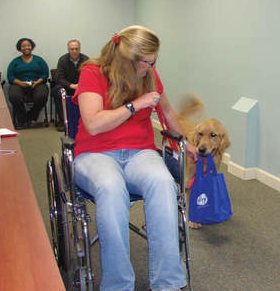 Many of our clients have been confronted with issues relating to service and companion animals at homeowners associations. Typically, the question is whether those animals are permitted to remain at the association (typically condo or stock cooperative associations) even if this would be a violation of their association’s governing documents (and generally, they are).
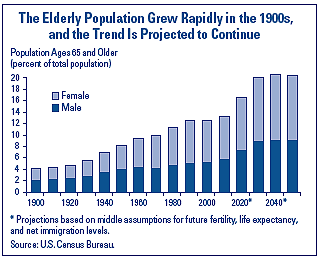 You may not have noticed this, but it is a fact that the United States has a large and growing population of senior citizens. Between 2000 and 2050, The number of older people is projected to increase by 135%. And the population of people 85 and over is projected to increase by 350%. In fact, the proportion of the population that is 85 and older will increase from 1.6% in 2000 to 4.8% in 2050. The aging of our population will place additional pressure on healthcare facilities and support programs for older people. This will also place some pressure on community association (mostly condominiums and stock cooperatives) boards and management.
 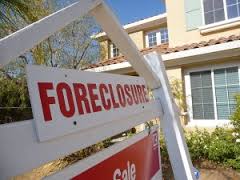 There has been some confusion as to whether a community association’s trustee, after a nonjudicial foreclosure sale (for the collection of delinquent assessments), may record a trustee’s deed upon sale prior to the expiration of the 90-day right of redemption required by California
  It is not uncommon for a condo association or HOA to become embroiled in some sort of dispute or litigation as a defendant, having been named in a lawsuit by a disgruntled owner. The lawsuit comes in, and after being evaluated to determine if it is a case that should be defended by the Association’s insurance carrier, it is tendered to the carrier. The fact that the Association has been named in the lawsuit raises several questions:
  Breaking news! The Community Associations Institute released the following report today:
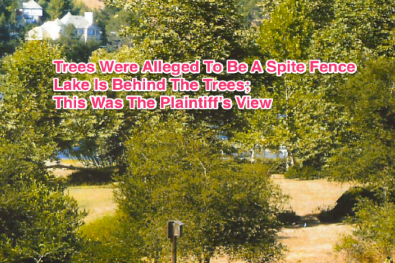 A longtime client of the firm was sued by a woman that did not live in the association who claimed that our client had illegally obstructed her view of a lake owned by our client association. After a jury trial on the sole cause of action that was left after we prevailed on a motion for summary adjudication knocking out all of her other frivolous claims, the jury decided that there was no spite fence. This result was not a surprise as the plaintiff was not entitled to her view of the lake, no matter how precious it was to her.
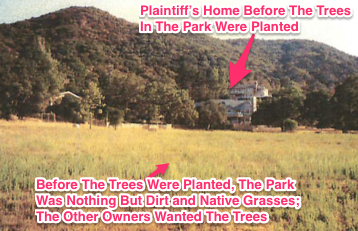 The plaintiff did enjoy a view of the association’s lake. But her view became obstructed several years later when the trees that the association’s developer planted grew up.
 Every board of directors for every condo or homeowners association has been there; the board wants to do something that it should be “obvious” that the association needs, such as a needed capital improvement to the common area, or an important amendment to the CC&Rs, but cannot muster up the required amount of homeowner votes to approve this “obvious” need. Whether this failure of approval results from the homeowners’ true opposition to the proposed change or whether it stems from owner apathy, a recent California court decision has made it clear that when the board advocates for votes for the approval of whatever is on the ballot, the board is a candidate, and as such, must provide equal access to media and the common area for others to advocate their positions on the ballot measure.
  After the Trayvon Martin shooting in Florida last year, I posted a blog article highlighting the need for community associations to supervise their volunteers.