



By David Swedelson, Partner, SwedelsonGottlieb, Community Association Attorneys
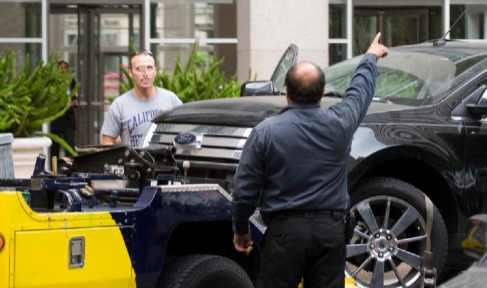 In California, condo/HOA associations have the right to tow so long as they comply with the law. But sometimes, associations can be too zealous. I was just referred to an article about such a situation in Florida.
Last year, a Florida community association homeowner died after he tried to stop his car from being towed from in front of his home. Here is the short story:
After a dispute with the tow truck driver, this owner was apparently run over by his own car as it was being towed away. This owner, a married father of three, a professor and associate dean at the local university, came home and found that his autistic son’s tutor was parked in the second spot in his driveway. So he pulled in behind, with his car protruding onto the sidewalk and swale area.
Continue reading
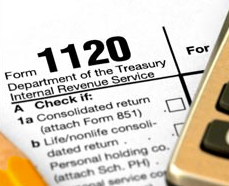 I am not an accountant, far from it. But I am aware that there are two different tax returns that condos, HOAs, and cooperatives can (and should) file (and yes, community associations, while exempt to some extent from paying taxes on assessment income, still may have income and need to file tax returns). I have never really understood when an association would file one tax return form versus the other. I was therefore interested in a blog article on this issue by Donna DiMaggio Berger, a Florida community association attorney. Donna’s article addressed a class she took that focused on the issues pertaining to association tax returns. I am only going to summarize it here. [Editor’s note: the prior link to Donna’s article is no longer valid, our apologies.]
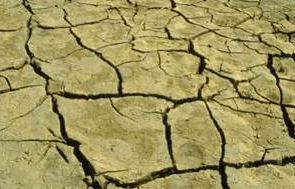 At the end of April 2014, California Governor Jerry Brown issued an executive order in an attempt to bolster the state’s ability to conserve, manage, and consume water in light of the major drought conditions currently affecting almost every area of California and its water resources. Although the executive order makes several directives to state agencies and civilians regarding water conservation and the implementation of water reduction programs, one of the directives specifically involves homeowners associations.
 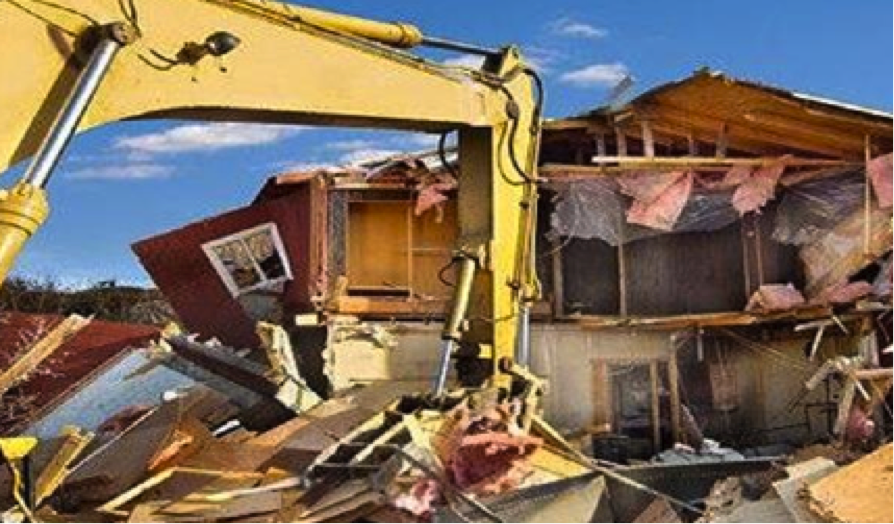 Often, we are asked by board members at community associations whether the board can use self help to resolve a problem where an owner is failing to maintain their unit or lot/home. Sometimes, we learn about it after the fact. In our experience, self-help is not usually the best or appropriate option. Fortunately, none of our clients have been sued for taking action, and there are no California court of appeal decisions or statutes that address this issue. But we can learn how not to approach this issue by considering what happened to a Texas association that took steps to deal with a problem that landed that association in some very deep you-know-what.
 In recent years, California has been faced with drought conditions, reduced water supplies and a consistently growing population. One step the California legislature has taken to address these issues was the adoption of Assembly Bill 1881, the Water Conservation in Landscaping Act of 2006 (the “Act”), which establishes goals for the efficiency and reduction of water usage in California. The Act has been codified in the following California statutory provisions: Section 4735 of the Civil Code; Article 10.8 (commencing with Section 65591) of Chapter 3 of Division 1 of Title 7 of the Government Code; Section 25401.9 of the Public Resources Code; and Article 4.5 (commencing with Section 535) to Chapter 8 of Division 1 of the Water Code, relating to water conservation.
 Friday, February 14, 2014 is Valentine’s Day. A holiday that originated in Italy, it’s all about love, and it has chocolate and champagne as staple foods, making it very seductive. And dangerous, because it’s easy to get carried away. That is where your attorney can help. Several Valentine contracts have been floating around the Internet. We would like to share our adaptation of one that another attorney disseminated to his “romantically proficient” clients. It’s a non-binding contractual agreement for affection, hereinafter the “Valentine Agreement.”