

 Regular readers of https://www.hoalawblog.com may recall our prior blog post regarding the new law impacting architectural applications for and installation of solar energy systems. Since then, SwedelsonGottlieb’s new Senior Associate Attorney, Brian Moreno, joined the firm, and he penned his own in-depth look at what the new law means for California homeowner associations. Brian’s article appeared in a recent issue of The Communicator, published by the Bay Area / Central California Chapter of Community Associations Institute. Follow this link to read/download Brian’s informative article.
HOA Approval Requirements For Solar Systems Have Changed; Is Your California Homeowners Association Complying With The New Law?


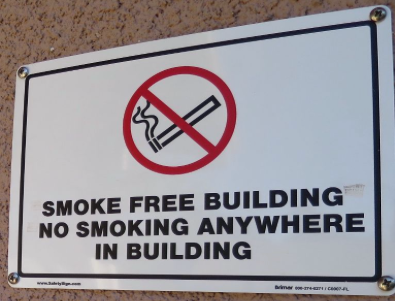 Complaints about secondhand smoke are increasing, and many associations are looking for options for dealing with the issue. Many boards want to propose an amendment to the association’s governing documents but are concerned about enforcement, as they know that there are some smokers living at their associations.
 Much has changed over the last 30 years. In 1985, the Dow Jones industrial average was at 1500. The Internet’s domain name system was created, and its first domain name was registered. The cost of a gallon of gas was 93 cents. Ronald Reagan was our President. The world was a different place. In 2015, the Dow Jones Industrial Average is now at about 18,000, there are hundreds of millions of active Internet domain names, and the cost of a gallon of gas is… well, that subject is complicated. More significant to the common interest development (“CID”) industry, the Davis-Stirling Common Interest Development Act, known as the Act, was born 30 years ago.
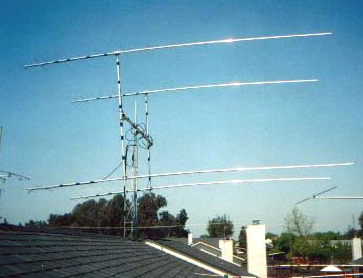 Federal legislators are still trying to pass new law that would allow HAM radio antenas to be installed at homeowners associations despite any restrictions on same in an association’s CC&Rs. We addressed this in a blog post in September of 2014;
 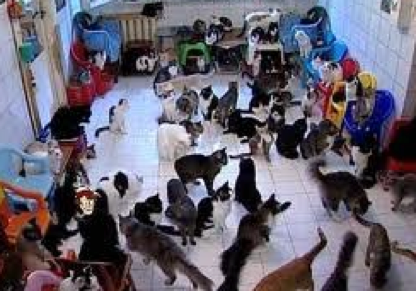 The Los Angeles Times reports that
 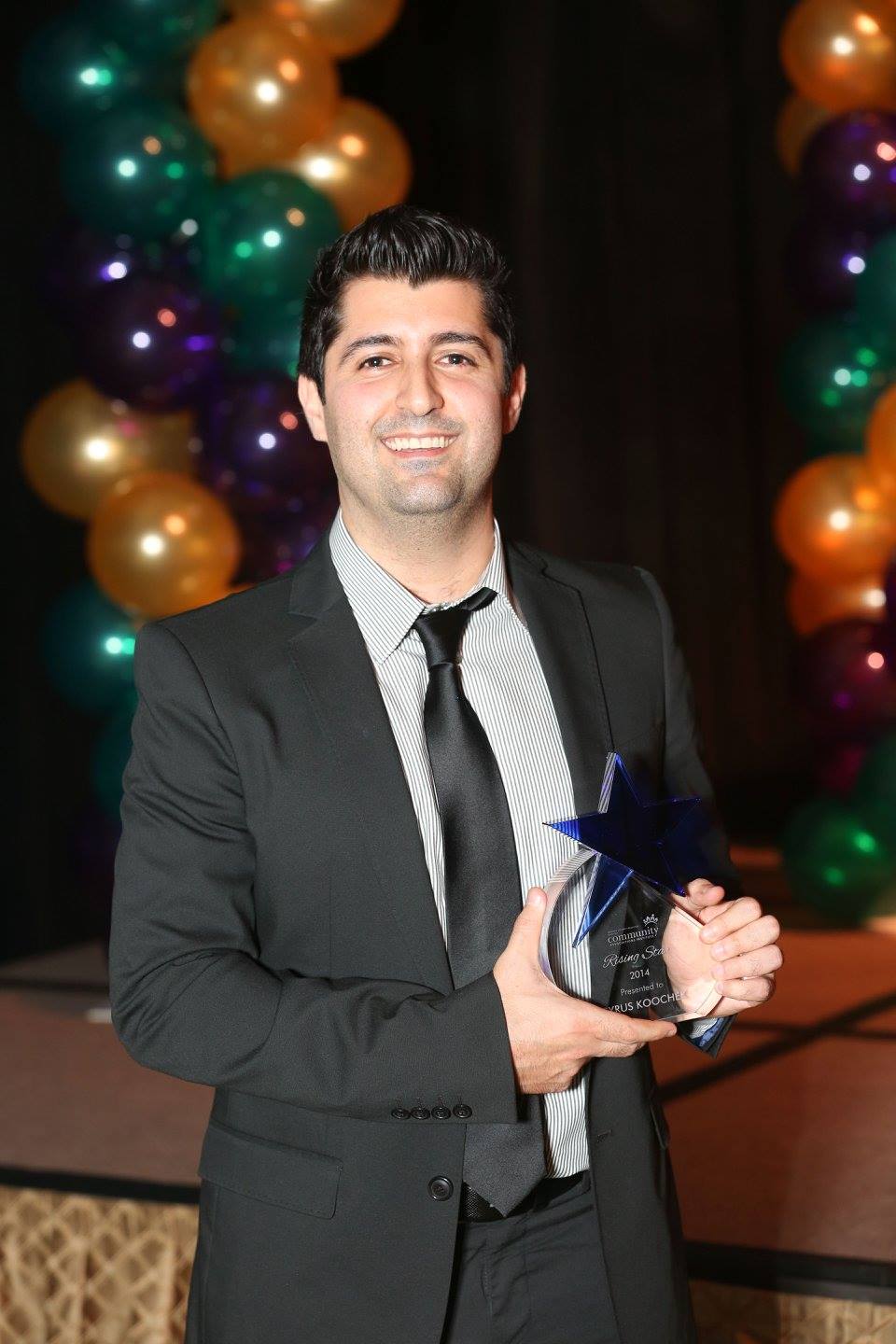 On February 6, the Orange County Regional Chapter of Community Associations Institute honored SwedelsonGottlieb’s Associate Attorney Cyrus Koochek with its Rising Star award. The award is given to new members of the chapter in recognition of the member’s volunteer service and commitment to the chapter’s goals. Cyrus served on the chapter’s programs committee in 2014 and looks forward to continued success with the chapter this year.
 He is finally here, and we could not be happier. Brian Moreno, already a seasoned community association attorney, has decided to move on from the firm he worked with for the last six years and bring his experience, skills and excellent reputation to SwedelsonGottlieb. Brian enhances the firm’s team of lawyers and will certainly benefit the firm’s clients. Brian could have joined any of the other community association law firms, yet he chose SwedelsonGottlieb. That says a lot about Brian and SwedelsonGottlieb.
 There was not a lot of new legislation in 2014 impacting California Community Associations, and what changes there were seemed to be focused on dealing with the drought. There were also changes to the law relating to solar energy systems, the ability of residents to grow fruits and vegetables in their backyards, to bring their attorney to an IDR meeting, and defining responsibility for the repair and/or replacement of exclusive use common area.
 Since the inception of the Davis-Stirling Act in 1985, there has been confusion regarding owner vs. association responsibility for the repair or replacement of exclusive use common area. AB 968, legislation sponsored by the