


By Sandra Gottlieb and Cyrus Koochek, SwedelsonGottlieb, Community Association Attorneys
 Many California condominium and homeowner associations end up with units and homes after foreclosing on assessment liens with no third-party bidders at the foreclosure sales. With increased equity, we are seeing more third-party bidders at sales. But that still leaves a lot of associations in the position of being landlords. And many boards do not know the first thing about being a landlord.
This summer, firm partner Sandra Gottlieb and associate Cyrus Koochek wrote an article that was published in CACM’s Law Journal entitled “Successfully Maneuvering Through Post Foreclosure Evictions and Rentals”. Their article provides guidelines for dealing with issues such as compliance with legal requirements, preparing for tenants, lease terms and rent skimming laws. Follow this link to read their informative article, especially if your association owns or may be in the process of taking ownership of any unit or home.
 We community association attorneys are fond of telling boards of directors that they need to “do their due diligence” before making important decisions, especially those that may have a lasting impact on their associations. That being said, just how many board members actually understand what steps are needed to fulfill that directive? That was the question posed in an article on this issue by Florida community association attorney Donna DiMaggio Berger.
  The Nevada Supreme Court recently ruled that a super priority lien held by a Nevada homeowners association can extinguish a first deed of trust on a property. The Court stated: “With limited exceptions, this lien is ‘prior to all – other liens and encumbrances’ on the homeowner’s property, even a first deed of trust recorded before the dues became delinquent”
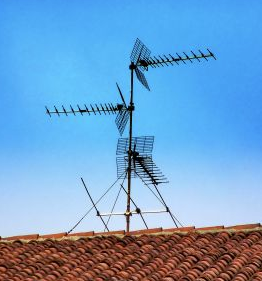 Growing up, there was a home in our neighborhood that had a massive radio antenna, much like the one in the photograph that is part of this blog post. As a kid, I was fascinated by the antenna. It was so big. Actually, I was captivated by the thought that I could talk to people around the world via a ham radio.
 By David Swedelson, Partner, SwedelsonGottlieb, Community Association Attorneys
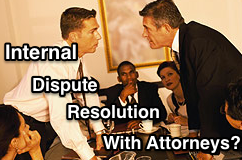 Who said you can’t trust lawyers? You can certainly trust SwedelsonGottlieb, as we are actively opposing proposed new legislation that would make us more money, AB 1738. This bill concerning internal dispute resolution (IDR) in common interest developments (Civil Code Sections 5900-5920) was recently passed by the the California State Assembly and the Senate unopposed. It’s clear that the legislators do not understand the implications of what may happen if this legislation is signed into law by the Governor. If signed into law, this new law will most certainly make more work for us community association attorneys, as owners will be bringing their attorneys to IDR meetings, and many boards will opt to do the same.
 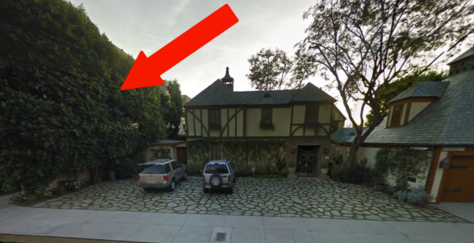 We deal with a lot of view obstruction disputes. We are able to resolve most of these disputes, as they are subject to CC&Rs which set out what view is protected. And the CC&Rs and the Civil Code provide that the prevailing party is entitled to collect their attorneys’ fees. That usually convinces most people that the fight is not worth the cost.
 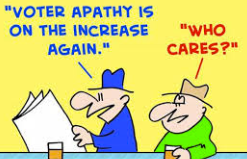 It is an old problem. Many California community associations cannot motivate their owners to participate or even vote at association elections. We have had clients that have been unable to obtain a quorum for director elections for more than 20 years. Even my own association recently reported a failure to achieve a quorum and decided not even to bother holding a second meeting, knowing that the chances of obtaining a quorum was remote.
 I was alerted to a proposed smoking ban in apartments and condominiums by the City Council in Culver City, California.