


By David C. Swedelson, Senior Partner at SwedelsonGottlieb; Condo lawyer and HOA attorney
 We have had to extricate several of our community association clients (and often their management as well) from claims or lawsuits relating to the federal Fair Debt Collections Practices Act (FDCPA). It is well settled law that the FDCPA applies to the collection of delinquent and unpaid assessments for condominium and homeowner associations. However, the FDCPA does not apply to collection efforts which a community association, the creditor, undertakes on its own to collect on a debt, nor does it apply to its agents whose collection activities are “incidental to a bona fide fiduciary obligation” or which concern a “debt which was not in default at the time it was obtained by such person.”
As it relates to the collection of delinquent community association assessments, courts have held that an association management company is not a “debt collector” under the FDCPA. Courts have held that an association’s management company falls under the exceptions found in the FDCPA. This determination was based on the fact that the management company has a fiduciary obligation to collect assessments on behalf of the association. But this exemption only applies if the management company was obligated to collect the delinquent assessment debts prior to them being delinquent. A management company may be responsible to comply with the FDCPA if an owner/property was already in collection at the time the management company started managing the association.
 Santa Monica has passed a law with new smoking rules that affect all multi-unit housing, and that includes condominiums.
  A CC&R dispute that started 11 years ago over the condition of a Tampa Florida homeowner’s lawn, a lawsuit that involved dozens of court hearings, a weeklong jury trial, two appeals and a second trial, at a cost of hundreds of thousands of dollars is finally over, and the owner prevailed. While this lawsuit occurred in Florida, it could have just as easily taken place in California. Boards at homeowners associations need to be careful when imposing charges and recording liens on an owner’s property.
  California community associations have been filing a lot of lawsuits the last three or so years attempting to collect delinquent assessments. Usually, these lawsuits are filed against owners that have lost their homes to their lender in foreclosure, wiping out their condominium development’s or planned development’s assessment lien. These associations are left with only a judicial remedy to collect what is owed their association.
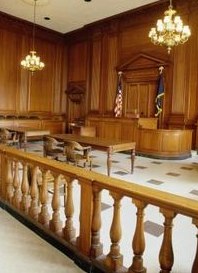 There are certain claims where small claims court may be the appropriate venue, as opposed to superior court. Typically, this includes claims against owners for unpaid assessments, fees and/or fines that do not exceed $5000, which is the limit that a California community association can recover in small claims court. When it comes to assessment collection, we generally only recommend small claims court where the association has already exhausted its other remedies, such as non-judicial foreclosure, and is trying to collect from a former owner who has lost their unit or lot to a senior lienholder/the bank. Starting a small claims court case is relatively easy. Many courts have small claims forms online which can be completed online or downloaded from the internet. However, knowing what to allege in the complaint form and how to present the case is not always that easy.