


Blog post by David Swedelson, Partner SwedelsonGottlieb
 Santa Monica has passed a law with new smoking rules that affect all multi-unit housing, and that includes condominiums. Follow this link to review the new municipal code. Follow this link to review a related notice from the City of Santa Monica. What follows is a description of the new law as it impacts condominiums.
Condominium associations must complete a smoking survey of current unit residents by 1/21/13, and unit owners will be required to designate their units either “smoking” or “non-smoking”. For details about this process, go to smconsumer.org.
Current or existing unit residents can continue to smoke inside their units if they designate the units as “smoking”. If an owner or resident (and for the purposes of compliance with this new law, condo associations should survey both owners and tenants) fails to respond to the survey, that unit will be “undesignated” for the purposes of the final results. Not sure what that means. Time will tell.
The new law affects all new owners or residents after 11/22/12. This means that if there is a smoker residing in the unit now (either an owner or tenant), they can continue to smoke in the unit. However, starting November 22, 2012, all newly occupied condominium units in residential community associations located in Santa Monica are declared non-smoking. “So, anyone moving into an apartment or condo after November 22 can’t smoke in the unit.”
Continue reading
 A CC&R dispute that started 11 years ago over the condition of a Tampa Florida homeowner’s lawn, a lawsuit that involved dozens of court hearings, a weeklong jury trial, two appeals and a second trial, at a cost of hundreds of thousands of dollars is finally over, and the owner prevailed. While this lawsuit occurred in Florida, it could have just as easily taken place in California. Boards at homeowners associations need to be careful when imposing charges and recording liens on an owner’s property.
  California community associations have been filing a lot of lawsuits the last three or so years attempting to collect delinquent assessments. Usually, these lawsuits are filed against owners that have lost their homes to their lender in foreclosure, wiping out their condominium development’s or planned development’s assessment lien. These associations are left with only a judicial remedy to collect what is owed their association.
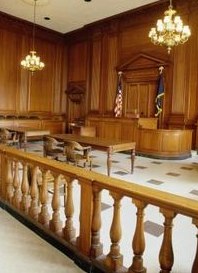 There are certain claims where small claims court may be the appropriate venue, as opposed to superior court. Typically, this includes claims against owners for unpaid assessments, fees and/or fines that do not exceed $5000, which is the limit that a California community association can recover in small claims court. When it comes to assessment collection, we generally only recommend small claims court where the association has already exhausted its other remedies, such as non-judicial foreclosure, and is trying to collect from a former owner who has lost their unit or lot to a senior lienholder/the bank. Starting a small claims court case is relatively easy. Many courts have small claims forms online which can be completed online or downloaded from the internet. However, knowing what to allege in the complaint form and how to present the case is not always that easy.